
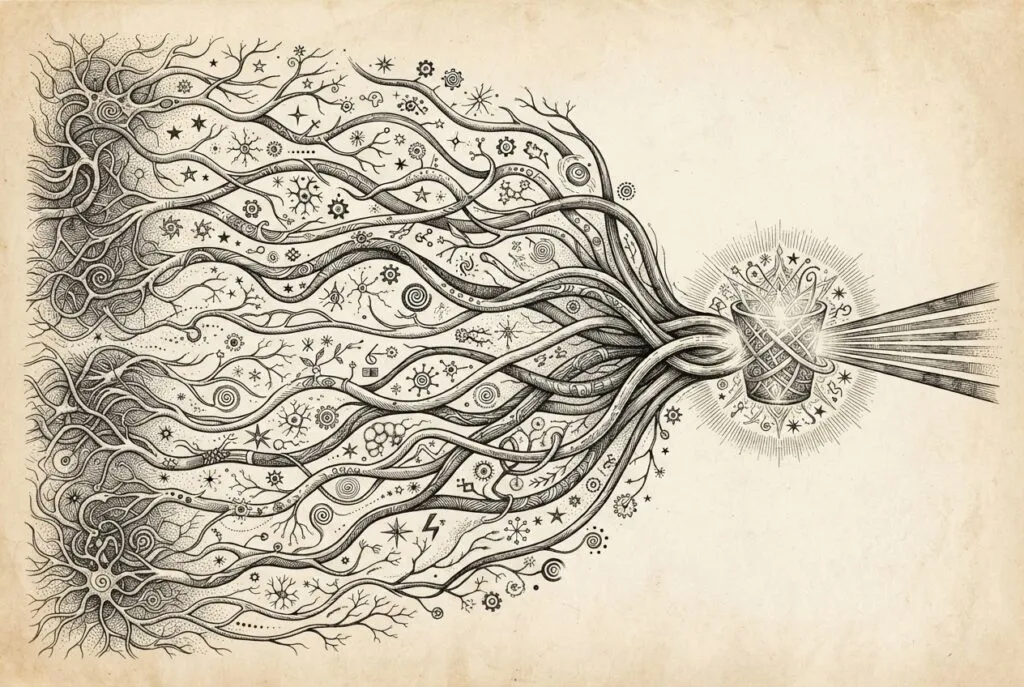
- Contemplating mode can orchestrate up to 16 parallel reasoning agents to generate, refine and aggregate candidate solutions.
- Meta said Muse Spark 1.3 uses multi‑round test‑time scaling to manage complex reasoning without proportional latency increases.
- The architecture was moved from API/datacenter deployments onto Ray‑Ban Meta updates and Project Phoenix hardware at Connect.
- Meta continues to train large models on datacenter accelerators (Iris/MTIA program), not consumer chips.
- Consumer devices (Project Phoenix, Ray‑Ban updates) rely on Qualcomm Snapdragon Reality Elite or similar edge compute.
- Model and architecture choices aim to bridge cloud training with edge inference for agentic use cases.
Useful?